
Broker Associate · Compass · License BK3141013
Award-winning Broker Associate with 20+ years navigating Southern Florida's most complex real estate transactions — from luxury waterfront estates to every turbulence in between.
Well respected by clients, peers, and industry leaders, Karen Anderson is known for her professionalism, ethical standards, and deep market knowledge. An award-winning Broker Associate year after year, she brings more than two decades of experience to the South Florida market, specializing in luxury properties and waterfront homes.
Originally from New Jersey, Karen has called Boca Raton home since 1999. With a background in healthcare, she's always been in the people-helping business — an ethos that continues to define her real estate career. As a masterful communicator, negotiator, and trusted advisor, Karen helps clients navigate turbulence with clarity and care.
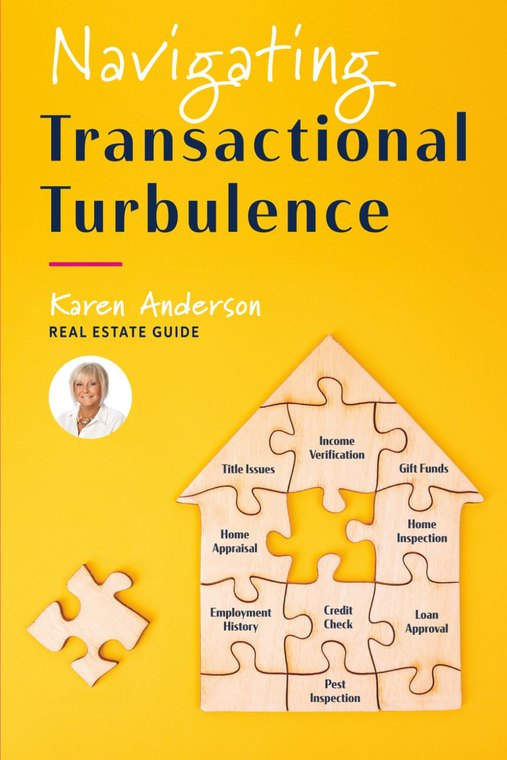
"A comprehensive field guide to every bump, crisis, and curveball in Southern Florida real estate — written by someone who has seen and solved them all."
— Karen Anderson, Broker Associate · CompassWhether you're a buyer, seller, lender, or agent — turbulence is inevitable. Karen's book maps out all 116 of the most common real estate challenges and delivers clear, actionable guidance for navigating each one.
Click any turbulence to read Karen's guidance on navigating that challenge.
Misrepresenting information on a loan application can lead to loan denial, legal consequences, and a damaged financial future. Karen guides you through what lenders look for and how honesty protects everyone in the transaction.
A history of late payments can stall or kill a mortgage approval. Learn how to address credit concerns proactively and what steps can be taken to restore lender confidence.
Excess debt-to-income ratios are one of the most common reasons mortgages fall through. Karen explains how to manage debt strategically before and during the buying process.
Losing employment mid-transaction can derail a closing entirely. Karen outlines the options available to buyers and what lenders require before funding can proceed.
When a co-borrower's income disappears during escrow, the entire loan qualification can unravel. Learn how to assess options and potentially restructure the loan.
Lenders require thorough income documentation. When verification falls short, transactions stall. Karen details what documents are needed and how to close the gap.
Overtime may not count if it isn't consistent or documented properly. This chapter helps buyers understand what income truly qualifies and how to plan accordingly.
Buying a car or opening a new credit card during escrow can shift your debt ratio and jeopardize loan approval. Karen explains why this is so common and how to avoid it.
Life doesn't pause for real estate transactions. Karen addresses how personal crises during escrow are handled and what options remain available to buyers.
Buyer hesitation can bring a transaction to a standstill. Karen explains how to identify the source of reluctance and re-engage all parties to keep things moving.
Gift funds are common in real estate. When a donor reverses course, financing can collapse. This chapter covers contingency planning and alternative solutions.
Divorce documentation is critical for proving financial independence and property rights. A missing decree can delay or kill a closing if not addressed early.
Lenders require complete bankruptcy documentation. Gaps or missing records can stop loan processing cold. Karen explains how to locate and present this documentation.
Tax returns are foundational to mortgage underwriting. Missing returns — or unfiled ones — can halt the process. This chapter covers remedies and timelines.
Lenders need to verify assets. Missing bank statements create delays and suspicion. Karen walks through how to retrieve records and keep underwriting on track.
Proving a rental history can be surprisingly complex, especially for private landlords. This chapter shows buyers how to satisfy lender requirements for rent verification.
Rate increases mid-transaction can change what a buyer qualifies for. Karen covers options including adjustable-rate alternatives and seller concessions.
Program changes from lenders can arrive without warning. This chapter helps buyers understand their rights and options when loan terms shift unexpectedly.
Child support obligations affect debt-to-income calculations. Omitting them from a loan application can be flagged as fraud. Karen explains proper disclosure and its impact.
Most loan programs require a waiting period after bankruptcy. Karen outlines the timelines for different loan types and what borrowers can do to rebuild their standing.
Sticker shock at the payment table can cause buyers to reconsider. This chapter prepares buyers for the real cost of homeownership and how to plan proactively.
Most lenders want a two-year employment history. Gaps or recent job changes can complicate approval. Karen explains when exceptions apply and how to document them.
Non-standard pay documentation raises underwriter concerns. This chapter covers what lenders accept and how self-employed or cash-paid workers can satisfy income requirements.
Starting a new job with a probationary period can make lenders nervous. Karen explains how to position this situation and when to wait before applying for a mortgage.
Switching from salary to commission-based income during a transaction can invalidate prior income verification. Karen details the implications and how to manage this transition.
The passing of a buyer or seller during escrow triggers a complex set of legal and procedural requirements. Karen addresses how to handle this devastating situation with care.
Misaligned expectations are a source of frustration for everyone. Karen covers how to realign buyers to what's achievable without compromising the relationship.
Perceived misrepresentation can unravel trust and deals alike. This chapter navigates the fine line between buyer disappointment and actual seller misrepresentation.
Veterans using VA loans must provide their DD-214. A missing form can delay or disqualify the loan. Karen covers how to expedite its retrieval from military records.
Last-minute funding shortfalls at closing are more common than you'd think. Karen explains the causes, prevention strategies, and options when they occur.
Large deposits or transferred funds must be sourced and documented. Failing to do so puts underwriting on hold. This chapter explains what documentation lenders require.
Arriving at the closing table without the required funds is a preventable crisis. Karen outlines closing day preparation and what to do if it happens anyway.
Seller cold feet are a real and disruptive force. Karen explains the emotional drivers behind this turbulence and how to re-engage a reluctant seller before the deal collapses.
Sellers contingent on finding a new home can hold a transaction hostage. Learn how to structure deals that give sellers breathing room without indefinite delays.
Denying an appraiser access is a transaction stopper. Karen explains why sellers do this and how to resolve access conflicts before they kill the deal.
Inspection delays push timelines and raise buyer anxiety. This chapter covers seller obligations, buyer rights, and how to keep inspection periods on schedule.
Fixtures, appliances, and personal property disputes are common at closing. Karen explains what the contract covers and how to prevent last-minute surprises.
Undiscovered liens or a sale that doesn't net enough to cover payoff can halt a closing. Karen walks sellers through what to anticipate and resolve before listing.
Shared ownership creates complex closing requirements. All owners must agree to sell. This chapter covers co-ownership structures and how to navigate them.
Business or investment partners who can't agree — or can't be reached — can block a sale. Karen discusses resolution strategies and legal remedies.
A seller's absence without proper authority delegation can freeze a closing. This chapter covers POA requirements and how to prepare before a seller travels.
Possession disputes at closing are stressful for buyers. Karen outlines how to handle move-out delays and what buyers' legal remedies are when sellers won't leave.
Unfinished seller repairs on closing day create disputes and delays. Karen explains buyer recourse and how to structure repair agreements that hold.
A seller facing foreclosure during escrow creates a race against time. Karen explains the buyer's exposure and what must happen for the transaction to survive.
Misrepresentation — intentional or not — exposes sellers to serious liability. Karen covers disclosure obligations and the consequences of incomplete or false representations.
Post-closing discovery of undisclosed defects can lead to litigation. This chapter explains what sellers must disclose and what buyers can do when problems surface after closing.
Working outside one's expertise — condos, commercial, land — can create costly mistakes. Karen explains the importance of specialization and when to bring in a co-agent.
Coordinating access to properties for third parties is a core agent responsibility. Repeated access failures erode trust and push timelines. Learn how to prevent them.
Slow document delivery is one of the leading causes of delayed closings. Karen explains how to stay ahead of lender requests and what happens when the pipeline backs up.
An agent who cannot manage their client's decisions puts the entire transaction in jeopardy. Karen discusses communication strategies and setting proper expectations.
Agent availability during escrow is non-negotiable. This chapter covers what happens when an agent goes dark and how to protect your transaction.
Agent ego and poor communication are silent deal-killers. Karen addresses professionalism standards and how to spot red flags when choosing representation.
Inadequate market research, poor pricing, and missed due diligence cost clients dearly. This chapter highlights the fundamentals every competent agent must master.
Weak pre-qualification is a setup for failure. Karen explains the difference between pre-qualification and pre-approval and what buyers should demand from their lenders.
FHA and VA lenders often require specific repairs as a condition of funding. This chapter walks through who pays, who coordinates, and how to meet lender standards efficiently.
Market volatility can change the economics of a deal mid-transaction. Karen covers rate lock strategies and how to manage shifting financing costs.
Information discovered late in underwriting — a lien, a debt, an undisclosed obligation — can disqualify a borrower days before closing. Karen explains prevention and response.
Last-minute lender requests create stress and timeline pressure. This chapter explains why they happen, what to expect, and how to respond swiftly.
Lost loan files are rare but devastating. Karen covers how to maintain your own organized document set and how to escalate when a lender loses critical paperwork.
Piecemeal document requests drag out closings and frustrate everyone. Karen explains what a thorough lender intake process looks like and how to choose the right lender.
Funding delays on closing day create a cascade of problems for all parties. This chapter covers causes, responsibilities, and what buyers and sellers can do when funding stalls.
Rural properties with private systems face unique regulatory hurdles. County approval failures can delay or cancel closings. Karen explains how to address these early in due diligence.
Significant termite damage discovered mid-escrow creates a standoff. Karen covers buyer rights, seller obligations, and negotiation strategies for pest-related repair disputes.
Square footage discrepancies and condition misrepresentation are actionable issues. This chapter covers what buyers can do when what they see in person doesn't match the listing.
Fire, flood, or storm damage before closing forces difficult decisions on both sides. Karen addresses insurance, contract language, and the buyer's rights when the property changes dramatically.
Structural deficiencies discovered during inspection raise serious questions about value and safety. This chapter explains how to evaluate the risk and navigate repair negotiations.
In Southern Florida, insurance issues are increasingly common. An uninsurable property can stop a financed purchase cold. Karen covers how to identify and resolve insurability issues.
Zoning errors can invalidate a buyer's intended use of the property. Karen explains how to verify zoning before making an offer and what happens when errors are discovered late.
Encroachment issues revealed by survey can cloud title and derail a transaction. This chapter covers surveying, resolution options, and legal remedies.
Unusual or custom homes in Southern Florida can be nearly impossible to appraise using standard comps. Karen explains appraiser strategies for unique properties and value gap solutions.
Communication breakdowns at the title company level create last-minute scrambles. Karen explains agent and buyer responsibilities in staying ahead of escrow requirements.
Slow escrow processing delays closings and frustrates all parties. Learn what to expect from a professional title company and how to escalate when things fall behind.
Absent signatories can halt a closing. This chapter covers remote signing options, POA requirements, and how to plan for key parties who may be unavailable.
Errors and missing documents from the title company create liability and delay. Karen explains best practices for document review and what to do when escrow makes mistakes.
Slow communication within escrow creates uncertainty for all parties. This chapter covers information flow expectations and how to keep the title company accountable.
Poor coordination between escrow, lender, and agents leads to closing day disasters. Karen outlines the coordination protocols that keep complex transactions on track.
Rigid adherence to process over problem-solving can derail otherwise solid transactions. This chapter addresses escalation strategies when the title company won't bend on minor issues.
Late-breaking liens or title defects can derail a closing hours before funding. Karen explains the priority steps for resolving title issues under extreme time pressure.
Appraisal backlogs in hot markets create closing delays. Karen explains how to order appraisals strategically and what options exist when the timeline is at risk.
Sparse comparable sales data leads to unreliable appraisals. This chapter covers appraiser methodology for thin markets and how to support value with alternative evidence.
Using an appraiser not approved by the lender results in a rejected report and wasted time. Karen explains how to verify appraiser eligibility before ordering.
A low or erroneous appraisal can collapse a deal. This chapter covers the formal appeal process, how to present a rebuttal, and when to request a second opinion.
A second appraisal requirement adds time and expense to an already complex process. Karen explains why lenders request them and how to respond without losing momentum.
Pest inspection timing is a frequent source of closing delays. This chapter covers scheduling strategies and how to handle last-minute pest report availability issues.
An overly critical inspection report can scare buyers away from an otherwise solid property. Karen explains how to contextualize findings and maintain perspective.
Inspector availability is critical to keeping contingency periods on schedule. This chapter covers backup inspector strategies and contingency extension negotiation.
A frightening inspection report can end a deal even when the issues are manageable. Karen explains how to contextualize findings and help buyers make informed rather than fear-based decisions.
The most consequential choice in a real estate transaction is who represents you. Karen outlines the due diligence required to choose the right professional and how to recover if the wrong choice was made.
HOA rules, fees, pending litigation, or approval requirements can stop a sale. Karen explains how to investigate HOA health before making an offer and what to do when issues surface mid-transaction.
Florida condos carry unique risks post-Surfside legislation. Association right of approval, reserve requirements, and special assessments can all derail a closing. Karen covers what to look for.
Contamination, wetlands, or flood zone reclassification can dramatically impact a property's value and insurability. Karen explains how environmental issues are discovered and addressed.
Mold discovery in a Florida home is common and can be alarming. This chapter separates minor issues from serious ones and explains remediation requirements and buyer rights.
Disputed earnest money deposits create legal standoffs that can take months to resolve. Karen outlines the Florida-specific process for earnest money disputes and how to avoid them.
Once contingencies are removed, backing out puts earnest money at risk. Karen explains a buyer's legal exposure and what options remain before committing to walk away.
Winning a bidding war with an above-market offer creates an appraisal gap risk. Karen explains how sellers and buyers negotiate these gaps and what happens when no agreement is reached.
A last-minute loan denial is one of the most devastating events in a real estate transaction. Karen covers the most common causes and how to respond when it happens days before closing.
Florida flood insurance costs have surged dramatically. Buyers who don't factor this in early can face unaffordable carrying costs. Karen explains FEMA maps, elevation certificates, and cost-reduction strategies.
Unpermitted additions or open permits are common in Florida. Discovering them mid-transaction can delay or kill a deal. This chapter explains how to identify and resolve permit issues quickly.
Unexpected closing cost increases create last-minute funding shortfalls. Karen explains what drives closing cost changes and how to lock in estimates early in the process.
Builder delays are among the most common frustrations in new construction purchases. Karen covers contractual protections, buyer rights, and how to manage rate locks during extended timelines.
Environmental test results above acceptable levels create health and liability concerns. Karen explains remediation options, renegotiation strategies, and buyer rights when tests reveal elevated readings.
A final walk-through that reveals damage, missing items, or incomplete repairs can halt a closing. This chapter covers buyer rights at walk-through and how to resolve last-minute discoveries.
A low appraisal forces a renegotiation. Karen covers the seller's options — reduce the price, challenge the appraisal, or risk the deal falling through — and how to make the best strategic choice.
Conflicting move-in and move-out timelines are a common source of friction at closing. Karen explains leaseback arrangements, rent-back agreements, and how to structure closing to accommodate both parties.
Newly announced development projects can increase or decrease buyer enthusiasm dramatically. Karen explains disclosure obligations and how to manage buyer concerns about future neighborhood changes.
Neighborhoods are constantly evolving. Understanding planned developments and their potential impacts is crucial for making informed real estate decisions.
New regulations, zoning changes, or local ordinances can restrict planned property use. From renovation restrictions to business-use limitations, Karen covers how regulatory changes affect buyers and sellers and what can be done to protect the transaction.
Title insurance issues that emerge late in the transaction can create unexpected hurdles. Liens, easements, or chain of title breaks discovered during underwriting can threaten to delay or derail the entire transaction.
Multiple requests for contingency extensions can erode confidence in a transaction's viability. Karen explains how to set realistic initial timelines and maintain communication to minimize the need for repeated extensions.
POA complications can create unexpected legal challenges. Questions about validity, scope, or proper execution can delay closings and expose parties to legal liability. Karen covers how to verify POA documents early.
FIRPTA requirements introduce unexpected complications for transactions involving foreign sellers. Karen explains withholding obligations, exemption certificates, and how to plan for international tax compliance.
Estate sales introduce probate proceedings, heir disputes, and court approval requirements. Karen explains what buyers and executors need to know to navigate estate transactions successfully.
Breaks or inconsistencies in the chain of title can threaten the fundamental validity of property ownership. Missing deeds, improper transfers, or recording gaps require prompt attention and sometimes quiet title actions.
Wire fraud is an increasingly common and devastating threat in real estate. Karen explains how fraudulent wire instructions target both buyers and sellers, and the strict verification procedures that protect transaction funds.
Missing or damaged critical documents can throw unexpected roadblocks into the closing process. Karen explains how to maintain secure document backups and expedite replacements when paperwork goes missing.
The mishandling of earnest money or closing funds — whether misdirected wires, processing errors, or escrow account mistakes — can create serious complications. Karen covers fund verification protocols and escalation procedures.
Whether you're buying, selling, or guiding others through the process — Navigating Transactional Turbulence gives you the knowledge to handle every challenge that comes your way.
Buy on Amazon95% of Karen's business comes from referrals and repeat clients — because results and relationships matter more than transaction volume.